Strategy
Guerrilla marketing
Also called: guerilla marketing, unconventional marketing
Updated November 9, 2026
Definition
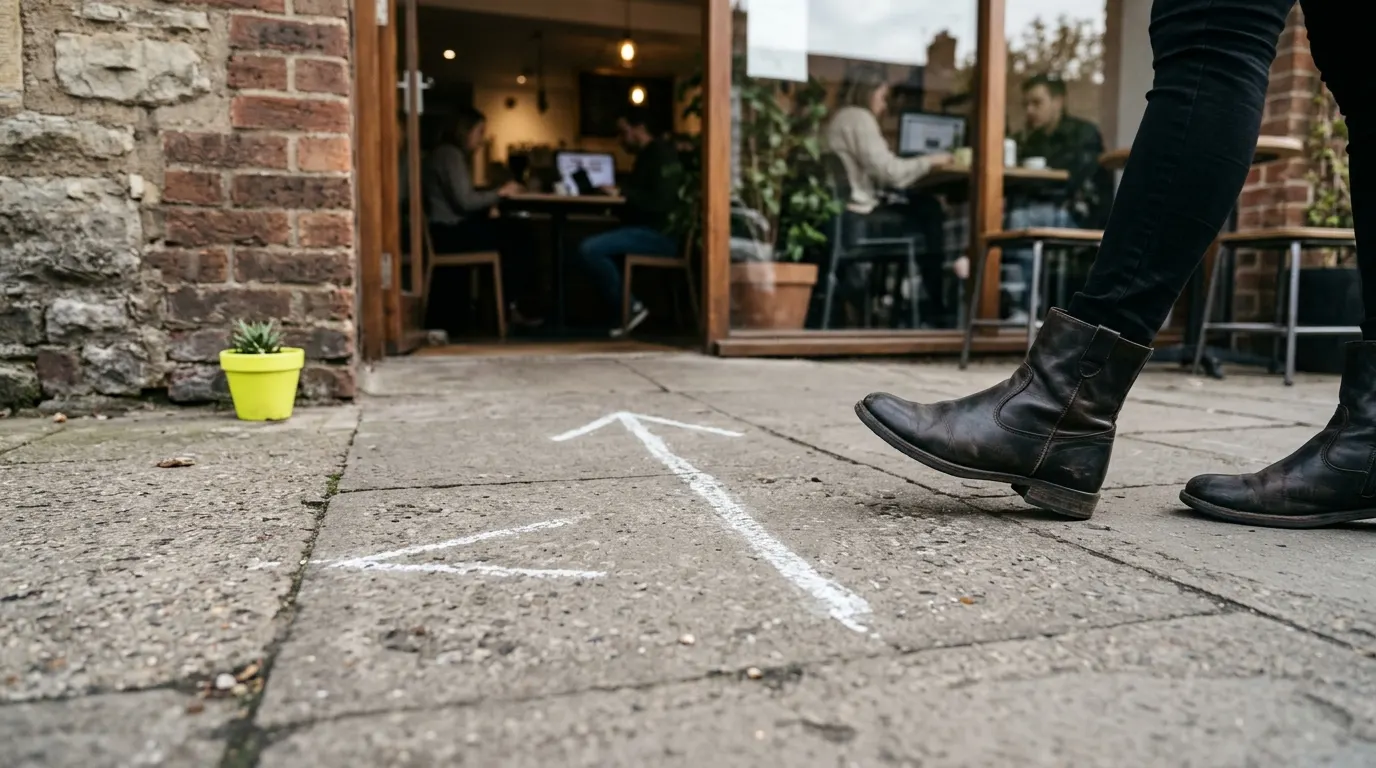
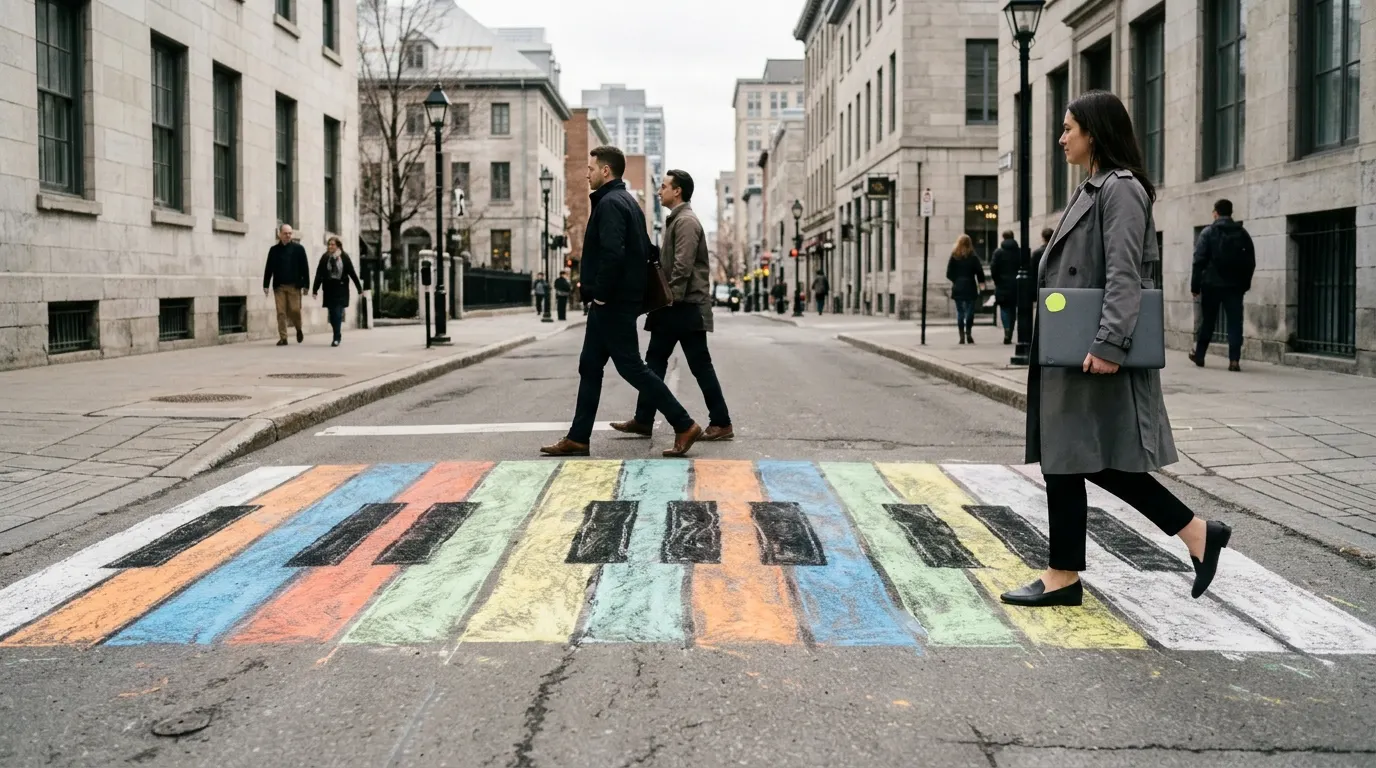
Guerrilla marketing is an advertising strategy that relies on creativity, surprise and low cost instead of big media budgets. It places an unexpected idea in a public space or online so that people notice it, talk about it and share it, turning a small action into attention far larger than its price.
In this article
Frequently asked questions
Who invented guerrilla marketing?
The term was popularised by the American author Jay Conrad Levinson in his 1984 book Guerrilla Marketing, aimed at small businesses with little money to spend on advertising.
What are the types of guerrilla marketing?
Commonly: outdoor (street art, installations), indoor (in shops and venues), event ambush, experiential (letting people try something) and online or viral ideas designed to be shared.
Is guerrilla marketing legal?
Not always. Painting on public property, blocking pavements or using other people's trademarks can break local rules or cause fines. Check the regulations of your city and get permission when needed.
Does guerrilla marketing work for small businesses?
It can, because it trades money for ideas. But results are unpredictable: the idea has to be genuinely interesting, and a poor or offensive stunt can harm the brand.
Related guides
- GlossaryViralViral describes content that spreads quickly and widely because many people share it, far beyond the account that posted it. The word borrows from viruses: each person who passes it on exposes more people. Nobody can promise it, since it depends on audience, timing and chance as much as on quality.Keep reading
- GlossaryEarned mediaEarned media is the exposure your brand gets without paying for it, because other people choose to talk about you: shares, tags, reviews, press coverage or mentions. Together with owned media (your own channels) and paid media (advertising), it is one of the three classic media types, and the hardest to control.Keep reading
- GlossaryMemeA meme is a piece of culture, usually an image, a video or a phrase, that people copy, remix and share because it is recognisable and easy to adapt. Online, it works as a shared joke: the format stays the same and each person changes the message to fit their own situation.Keep reading
- GlossaryUGCUser-generated content (UGC) is any photo, video, review or post that customers or fans create about a brand, instead of the brand's team. It also covers UGC creators, whom a brand pays for content in a customer's style. Brands reuse it in posts and ads because it shows real use. Before republishing, you need clear permission.Keep reading
- GlossaryFOMOFOMO, or fear of missing out, is the uneasy feeling that other people are having rewarding experiences without you. Social networks make it easy to feel, because they show other people's best moments all the time. In marketing, brands use it through limited offers and social proof, which carries ethical limits.Keep reading